
SESSION 13 — Form & Meaning: The Haiku
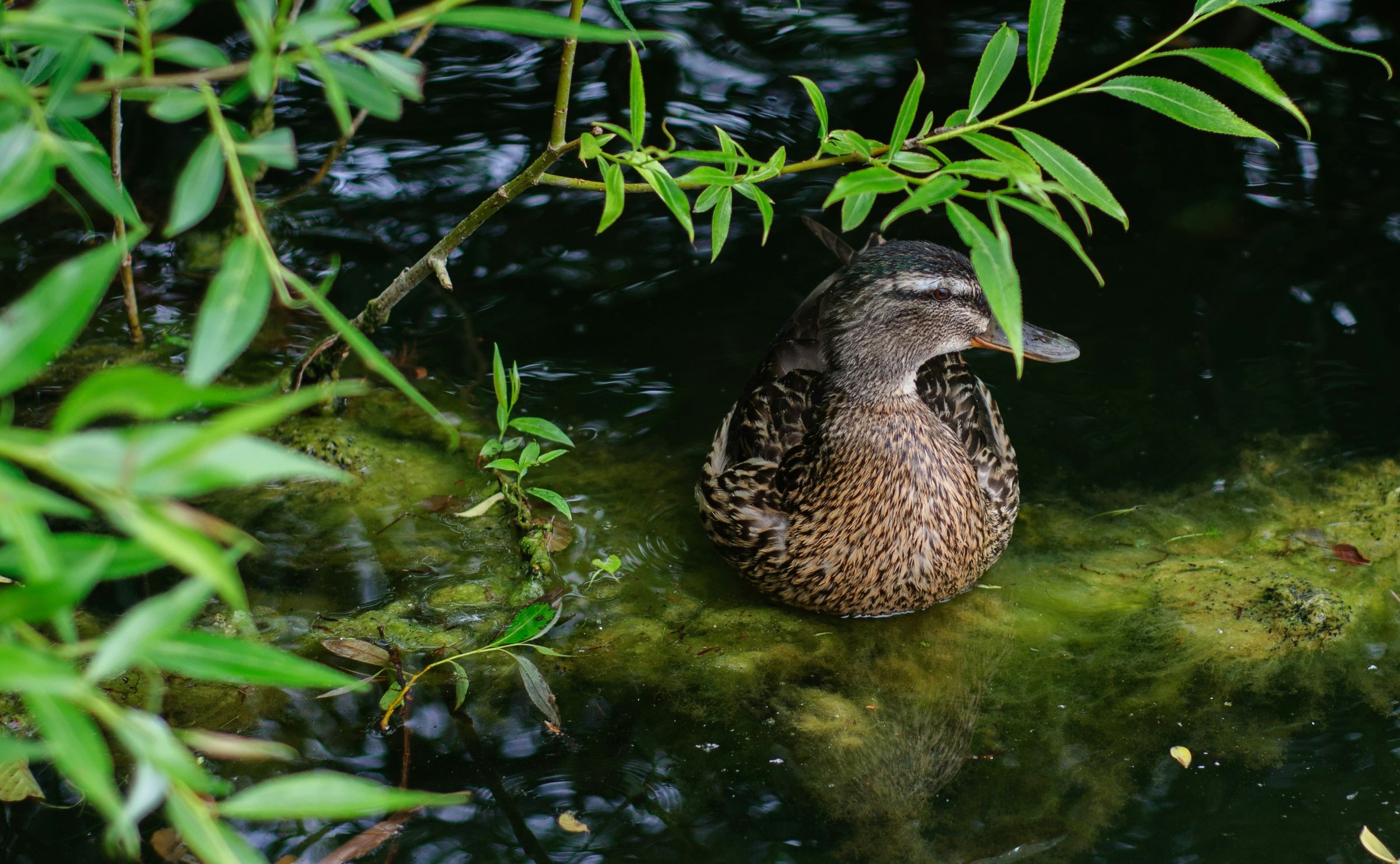
Photo by Jacky Nelson on Unsplash
Discussion:
A haiku is a traditional Japanese poem consisting of three lines with a 5-7-5 syllable structure, often focusing on nature and aiming to capture a fleeting moment or a sense of sudden insight.
What do these haikus have in common? How do they differ?
What might be the strengths—or the limitations—of this centuries-old poetic form?
“The Old Pond” by Matsuo Bashō
An old silent pond
A frog jumps into the pond—
Splash! Silence again.
“Over the Wintry” by Natsume Sōseki
Over the wintry
Forest, winds howl in rage
With no leaves to blow.
“Haiku [for you]” by Sonia Sanchez
love between us is
speech and breath. loving you is
a long river running.
“Haiku Ambulance” by Richard Brautigan
A piece of green pepper
fell
off the wooden salad bowl:
so what?
Writing Prompt
Let’s write some haikus. But don’t worry about being deep or even accurate. Haiku can be a vessel for deep insight, but it can also hold your grocery list or your existential dread about socks.
So let’s try one or three. Break the rules if you feel like it. The only goal is to have fun and surprise yourself.
Here are two of mine to get us started.
My hand in the dog’s mouth.
Golden retrievers—
so playful.When your eyes meet mine
time dissolves and melts away—
Ripples on a lake.