
SESSION 24 — The Poem as Map (2)
Discussion:
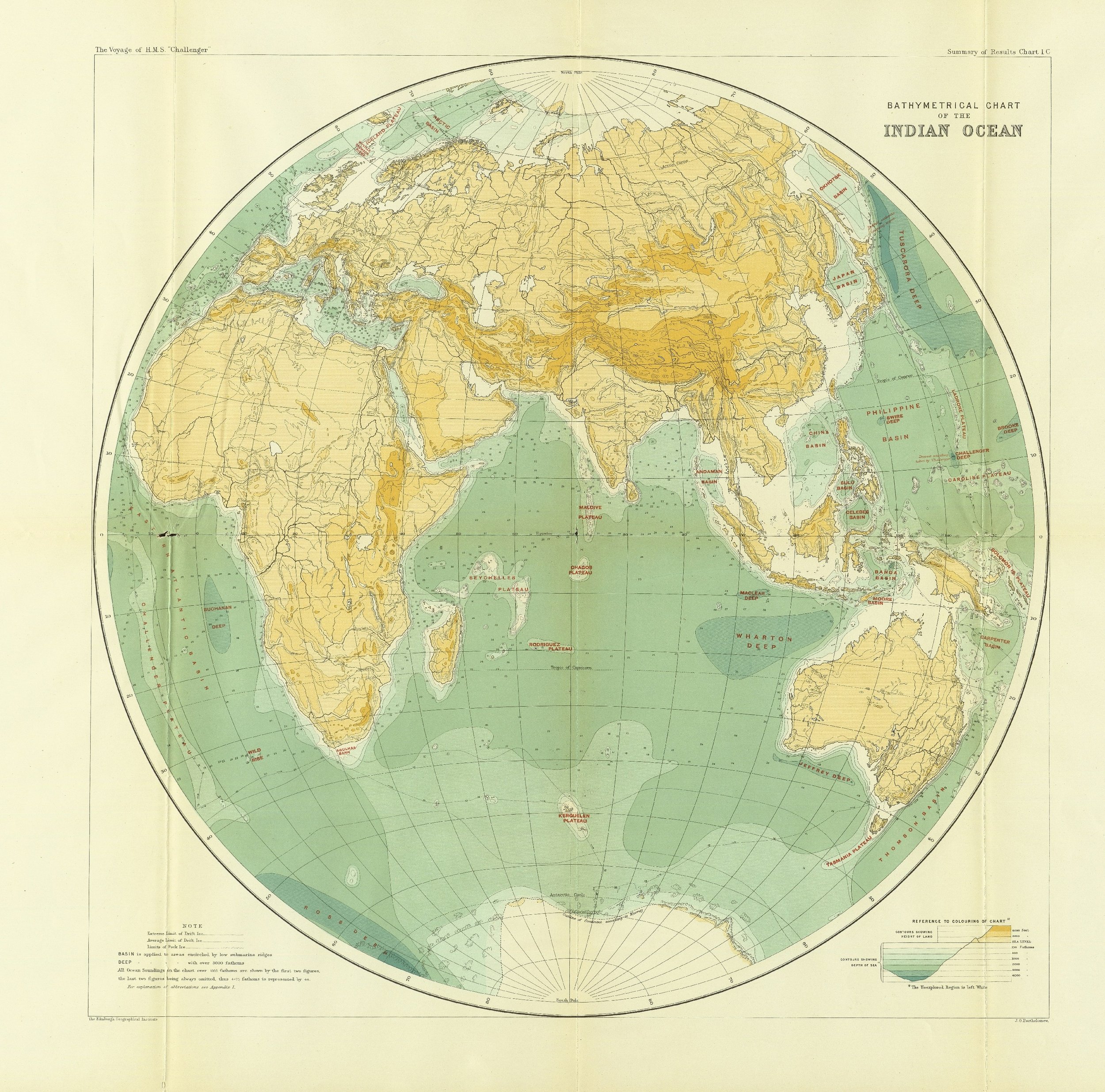
Maps look authoritative. They appear to show the world clearly, objectively, and truthfully. But Wisława Szymborska’s poem suggests that there are other truths hidden beneath their colourful surfaces.
What does the map in this poem hide or erase? Why might those things be missing?
What are some things in the world that look true but actually conceal something deeper?
Maria Wisława Anna Szymborska was a Polish poet, essayist, translator, and recipient of the 1996 Nobel Prize in Literature. In awarding the prize, the Academy praised her “poetry that with ironic precision allows the historical and biological context to come to light in fragments of human reality.”
This is the last poem that she worked on just before she died in 2012 at the age of 88.
Map
Flat as the table
it’s placed on.
Nothing moves beneath it
and it seeks no outlet.
Above—my human breath
creates no stirring air
and leaves its total surface
undisturbed.
Its plains, valleys are always green,
uplands, mountains are yellow and brown,
while seas, oceans remain a kindly blue
beside the tattered shores.
Everything here is small, near, accessible.
I can press volcanoes with my fingertip,
stroke the poles without thick mittens,
I can with a single glance
encompass every desert
with the river lying just beside it.
A few trees stand for ancient forests,
you couldn’t lose your way among them.
In the east and west,
above and below the equator—
quiet like pins dropping,
and in every black pinprick
people keep on living.
Mass graves and sudden ruins
are out of the picture.
Nations’ borders are barely visible
as if they wavered—to be or not.
I like maps, because they lie.
Because they give no access to the vicious truth.
Because great-heartedly, good-naturedly
they spread before me a world
not of this world.
Writing Prompt
Choose something that appears clear, trustworthy, or beautiful but actually hides part of the truth. It could be something large or small, fleeting or long-lasting: a photograph, a social media profile, a smile …
Explore what it shows and what it leaves out. Maybe you don’t even have to say it… Maybe, like Szymborska’s poem, the absence is in the gaps that you leave between the words.