
SESSION 31—emotion Embodied
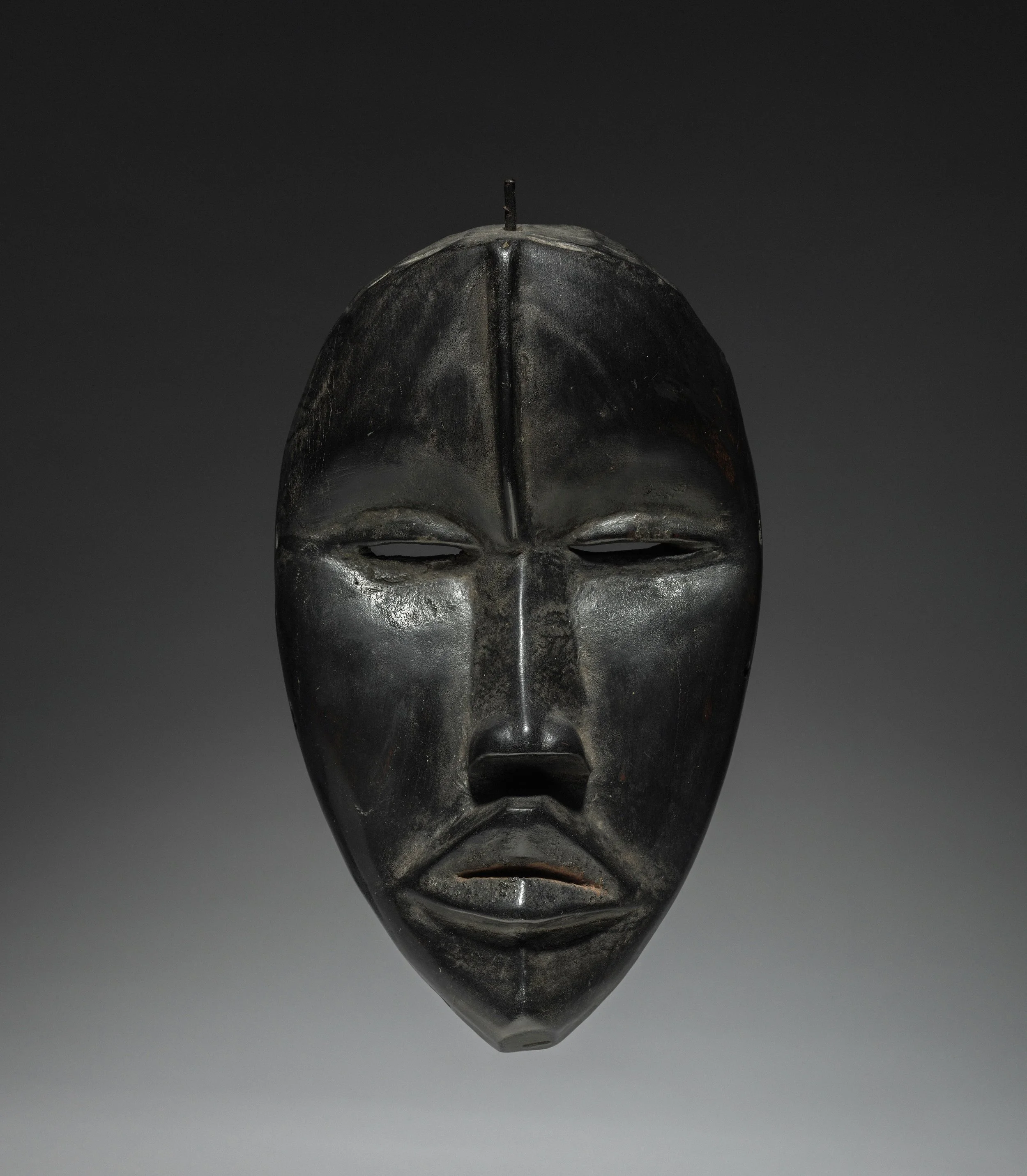
Photo by The Cleveland Museum of Art on Unsplash
Discussion:
One of the things that give the best poems their power is their ability to transmit emotions—and not the simple, straightforward ones either.
Using imagery and words tied to whole worlds, cultures and histories, poems convey complex and nuanced landscapes of feeling—not just sorrow but the weight of it; not just surprise but the way it makes your skin tingle.
What are the emotions that Brathwaite transmits in this poem? How do the imagery, rhythm and word-choices help express the many textures of that emotion? Do they evolve? Shift? Does the feeling being conveyed evolve and shift with them?
Edward Kamau Brathwaite CHB (11 May 1930 – 4 February 2020), was a Barbadian poet and academic, widely considered one of the major voices in the Caribbean literary canon. Formerly a professor of Comparative Literature at New York University, Brathwaite was the 2006 International Winner of the Griffin Poetry Prize, for his volume of poetry Born to Slow Horses.
Ogun
By Edward Kamau Brathwaite
My uncle made chairs, tables, balanced doors on, dug out
coffins, smoothing the white wood out
with plane and quick sandpaper until
it shone like his short-sighted glasses.
The knuckles of his hands were sil-
vered knobs of nails hit, hurt and flat-
tened out with blast of heavy hammer. He was knock-knee’d, flat-
footed and his clip clop sandals slapped across the concrete
flooring of his little shop where canefield mulemen and a fleet
of Bedford lorry drivers dropped in to scratch themselves and talk.
There was no shock of wood, no beam
of light mahogany his saw teeth couldn’t handle.
When shaping squares for locks, a key hole
care tapped rat tat tat upon the handle
of his humpbacked chisel. Cold
world of wood caught fire as he whittled: rectangle
window frames, the intersecting x of fold-
ing chairs, triangle
trellises, the donkey
box-cart in its squeaking square.
But he was poor and most days he was hungry.
Imported cabinets with mirrors, formica table
tops, spine-curving chairs made up of tubes, with hollow
steel-like bird bones that sat on rubber ploughs,
thin beds, stretched not on boards, but blue high-tensioned cables,
were what the world preferred.
And yet he had a block of wood that would have baffled them.
With knife and gimlet care he worked away at this on Sundays,
explored its knotted hurts, cutting his way
along its yellow whorls until his hands could feel
how it had swelled and shivered, breathing air,
its weathered green burning to rings of time,
its contoured grain still tuned to roots and water.
And as he cut, he heard the creak of forests:
green lizard faces gulped, grey memories with moth
eyes watched him from their shadows, soft
liquid tendrils leaked among the flowers
and a black rigid thunder he had never heard within his hammer
came stomping up the trunks. And as he worked within his shattered
Sunday shop, the wood took shape: dry shuttered
eyes, slack anciently everted lips, flat
ruined face, eaten by pox, ravaged by rat
and woodworm, dry cistern mouth, cracked
gullet crying for the desert, the heavy black
enduring jaw; lost pain, lost iron;
emerging woodwork image of his anger.
Writing Prompt:
Think of an emotion that left its prints in the dry riverbed of your psyche. Longing and desire, anger, joy, despair.
What was the context in which it arose?
What was its texture? Its smell? The sound of it? The way it tasted in your mouth?
What thing, situation or landscape would you compare it to?
Write about it in such a way that you can almost feel it—only, this time it is transmuted through verse, flowing but unable to carry you away.