
SESSION 18 — evolution: The 21st Century elegy
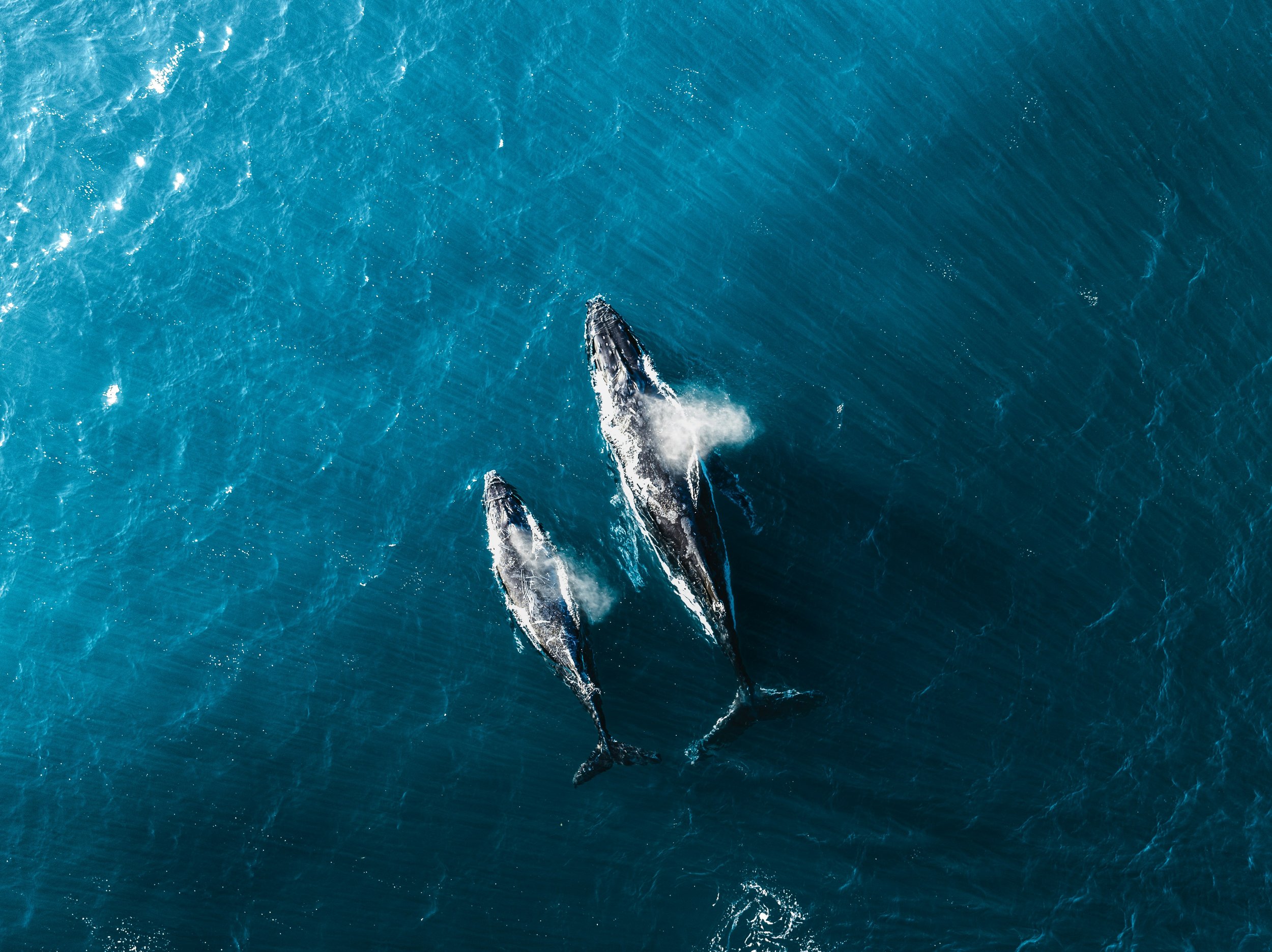
Photo by Jonathan Xu on Unsplash
Discussion:
Over time, the elegy has expanded, shape-shifted, and migrated.
In the 21st century, it may take many forms:
It may speak to personal loss, political grief, ecological collapse.
It may be linear or fragmented, lyrical or stark.
What remains is a tone — an awareness of what has been lost, and the need to speak from within that loss.
As we sit with this poem, consider:
What stands out to you in the way the poem expresses loss?
What kind of grief is present here?
How does form shape your experience of the poem?
What lingers after the last line?
Untitled
by Ruth Osman
A child dies
in Rafah.
In North Kivu.
Blitzed.
Buried.
A bullet to the chest.
On our street
flambeaux flare
for another one
lost.
I spin—
a compass seeking
true north.
The albatross veers
towards land
no longer there.
The whale calf calls
for his mother.
Where is home
and bounty
for us all?
Writing Prompt:
Write a short poem or reflection that begins with something lost — a place, a person, a moment — and follow where that loss takes you.
It can expand into the communal or global. It can zero in on a single point—an image or scene.
It can be prosaic or lyrical. It can rhyme, or not.
What matters is the process. Let the poem rise through you.